Image: Zoox
Amazon-owned autonomous vehicle developer Zoox has received the first commercial exemption granted by the US National Highway Traffic Safety Administration (NHTSA) for a purpose-built robotaxi.
The exemption clears the way for Zoox to begin charging fares in its four-seat vehicles which lack the steering wheel, pedals and other manual controls required under federal law for conventionally driven cars.
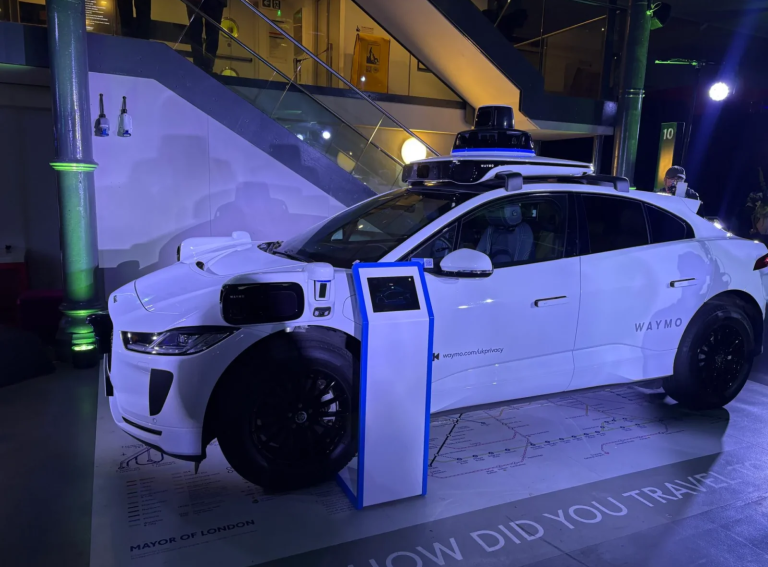
The approval puts Zoox in more direct competition with Alphabet’s Waymo and Tesla’s robotaxi service, both of which already charge fares in several US cities but will now operate under different safety rules to Zoox. Waymo has built its service around retrofitted vehicles that retain conventional controls, placing it under different federal regulation than Zoox.
“We are honored to receive the first-ever commercial exemption for a purpose-built robotaxi from NHTSA, enabling us to begin charging for our service and take another step toward bringing autonomous ride-hailing to more communities,” said Aicha Evans, CEO of Zoox.
Zoox will start charging for rides in Las Vegas next month. Wider expansion depends on separate state-level approvals. In California, where the company is headquartered, it still needs driverless deployment permits from the Public Utilities Commission and the Department of Motor Vehicles.
The exemption is not open-ended. NHTSA has capped Zoox’s commercial fleet at 2,500 vehicles a year for two years and attached what the agency calls an “enhanced, adaptable oversight structure” that can change as the technology develops.
That caution follows a difficult few months for Zoox’s safety record. The company recalled 105 robotaxis after a software issue meant vehicles could fail to detect heavy smoke, and last month one of its cars drove into an active emergency fire scene in Las Vegas. NHTSA Administrator Jonathan Morrison has previously written that regulators have identified a pattern of driverless vehicles interfering with law enforcement and other first responders.
Zoox has been offering free rides in Las Vegas and San Francisco since last year under a separate demonstration exemption, first granted in August 2025. More than half a million people have taken a free ride and another half a million have joined the waitlist.
The decision also fits a broader shift in how NHTSA is handling autonomous vehicles. The agency said it would update its exemption process to let automakers temporarily sell small numbers of non-compliant vehicles for testing new technology. It also announced funding for a three-year, $5 million consortium with SAE Industry Technologies Consortia to help develop the first national performance standards for autonomous vehicles.
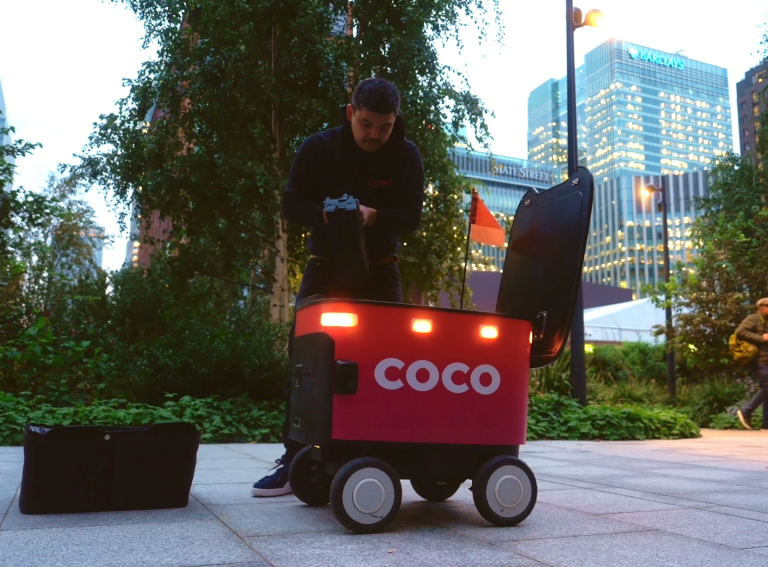
NHTSA is also reviewing an exemption application from Los Angeles-based Robomart for a low-speed autonomous delivery vehicle, indicating other developers are now seeking to use the same regulatory pathway.