The UK government is committing £400m to equip the British Army with new drone technology and plans to make it easier for companies to test and develop uncrewed systems.
Alongside the Army investment, today’s Autumn Budget includes £5bn for advanced uncrewed systems over the remainder of this Parliament.
The £400m investment will support the Army’s adoption of the latest drone technology. The government said it would also bolster the UK’s defence manufacturing base in South West England and support test, evaluation and training activity in Wales.
Alongside the spending commitment, the government will establish a new Ministry of Defence-led drone regulation unit to work across departments. Its remit will be to reduce regulatory barriers and create clearer routes for testing uncrewed and autonomous systems.
The Chancellor said the government would “legislate for a regulatory carve-out, so that innovative products like drones can be safely tested and rapidly scaled”.
The carve-out will form part of the proposed Regulation for Growth Bill, which will give the government powers to temporarily adapt existing rules so businesses can trial new technologies under strict controls and safeguards. If a trial is shown to be safe and effective, the powers could provide a route to making regulatory changes permanent.
The Budget identifies the development of defence capabilities as one of the first potential uses of the new powers. It says the government will work through the MoD-led unit to create simpler ways for autonomous systems to be developed in the UK. Further details of how the unit will operate, and which regulations could be adapted, have not yet been set out.
The broader £5bn commitment covers advanced uncrewed systems across the remainder of the Parliament. The Budget also confirms £300m for the UK’s Collaborative Combat Air programme, known as StormFighter, which is being developed to operate alongside crewed aircraft such as the Typhoon. The government does not specify how the £5bn will be divided between different types of uncrewed technology.
A separate commitment will see the National Wealth Fund and British Business Bank deploy up to £5bn in investment and lending over the next four years across defence, dual-use and other sectors supporting national security. The funding is intended to strengthen the wider defence supply chain, potentially providing another source of capital for companies developing technologies with both civilian and military applications.
The announcements come as the government seeks to expand domestic defence production and accelerate the adoption of emerging military technologies. The Budget says the Ministry of Defence has signed around 370 new contracts worth more than £2.7bn since the publication of its Defence Investment Plan.
Several UK aerospace and drone developers are pursuing both civilian and defence applications for their technologies.
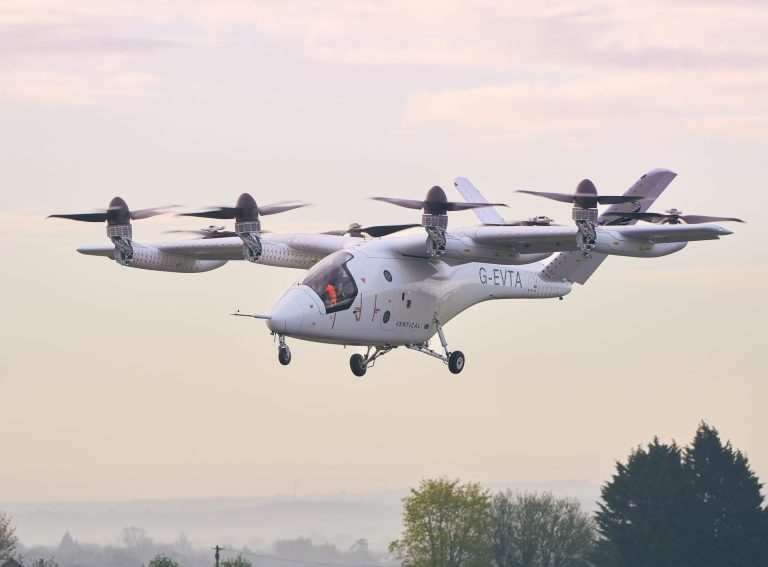
Bristol-based Vertical Aerospace is developing a hybrid-electric version of its VX4 aircraft for applications including defence, cargo, logistics and emergency services, according to evidence it submitted to Parliament. Windracers’ ULTRA heavy-lift drone was originally developed for humanitarian deliveries and has since been used for military resupply and reconnaissance in Ukraine. BAE Systems-owned Malloy Aeronautics also designs and supplies uncrewed aircraft to civil and military customers
The government’s proposed regulatory changes could help companies developing such dual-use technologies test their systems and demonstrate their capabilities to potential defence customers in the UK.