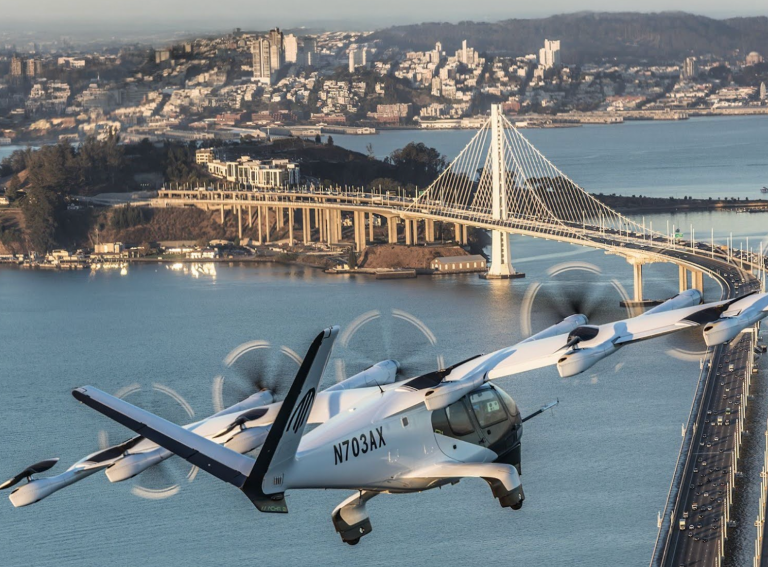
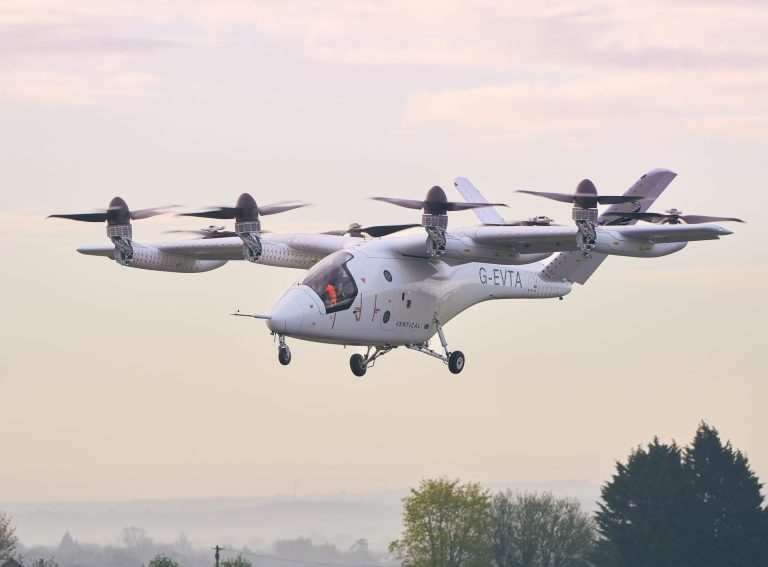
Vermont-based electric aircraft maker Beta Technologies has filed for an initial public offering (IPO) in the United States.
The company submitted its paperwork to the US Securities and Exchange Commission, stating plans to list on the New York Stock Exchange under the ticker symbol BETA. Investment banks Morgan Stanley and Goldman Sachs are acting as lead underwriters for the offering.
The company did not disclose how much it intends to raise, though IPOs often take up to a year to complete. Proceeds are expected to fund development of Beta’s Alia family of all-electric aircraft, including both a conventional take-off and landing (CTOL) model and a planned eVTOL variant.
A conservative path to market
Founded by CEO Kyle Clark, Beta has so far taken a more conservative path than many of its competitors. While rivals such as Joby Aviation, Archer and Eve went public via SPAC mergers at the height of investor enthusiasm in 2021, Beta is opting for a traditional IPO at a time when markets have stabilised and demand for “selective growth stories” is returning.
That approach mirrors the company’s technical strategy. After initially focusing on eVTOLs, Beta shifted in 2023 to prioritise its CTOL design, the Alia CX300, which it describes as a more “de-risked path to certification”. The single-pilot, five-seat aircraft is designed to fly 116 nautical miles (215km) at 135 knots, with testing already underway in the US and Europe.
Earlier this month, Beta announced a partnership with GE Aerospace to co-develop a hybrid electric turbogenerator for defence and civil use. As part of the deal, GE will invest $300 million in Beta, adding to a shareholder list that already includes Amazon, TPG and Clark himself.
Beta’s securities filing highlights ambitions to generate revenue not only from aircraft sales, but also from batteries, charging infrastructure and propulsion systems supplied to other manufacturers. Textron’s eAviation division, which owns Pipistrel, is named as a future customer.
Financial performance and scale
Like many AAM developers, Beta remains loss-making. The company reported a net loss of $158 million in the first half of 2025, driven largely by $116 million in R&D spend, and ended June with $175 million in cash. Losses were $276 million in 2024 and $176 million in 2023.
Despite this, Beta argues its design will deliver 42% lower operating costs than conventional aircraft by eliminating components such as gearboxes and complex cooling systems. Its Alia demonstrator has already completed “thousands of flights”, covering more than 83,000 nautical miles in North America and Europe, including work with the US military and Bristow in Norway.
Beta estimates long-term demand for some 60,000 electric aircraft in its target market segment, worth around $250 billion. The company also has longer-term ambitions to scale up to a 19-passenger aircraft, opening opportunities in regional aviation.
The IPO marks a pivotal test of whether investors are ready to back Beta’s bet on a slower, steadier route to making electric aircraft a commercial reality.