London has been named the world’s slowest capital city for the third consecutive year.
In 2025, the average London driver spent 136 hours – over five full days – stuck in rush-hour traffic. A six-mile drive took an average of 35 minutes and 7 seconds.
Globally, London ranks as the second slowest city overall, trailing only behind Barranquilla in Colombia.
The findings come from TomTom’s annual Traffic Index which analysed more than 3.65 trillion kilometres of global trip data, benchmarking cities on their congestion levels, traffic times and speeds.
Andy Marchant, a Traffic Expert at TomTom, said that London’s slow-moving traffic is down to a “multitude” of factors, primarily its “antiquated” infrastructure and dense urban environment.
“The capital consistently experiences high traffic volumes, a situation that has intensified as more people return to office-based work,” Marchant told Zag Daily.
In 2025, London’s average congestion level reached 51.6%, up one percentage point from 2024. This means journeys across the city took more than 50% longer when compared with free-flowing traffic conditions.
The worst congestion of the year occurred on September 10th during Tube strikes, when congestion peaked at 138% at 5pm. Zag analysed the impact of the standstill on shared micromobility operators, with more than two million bike trips recorded on the first day of the strikes.
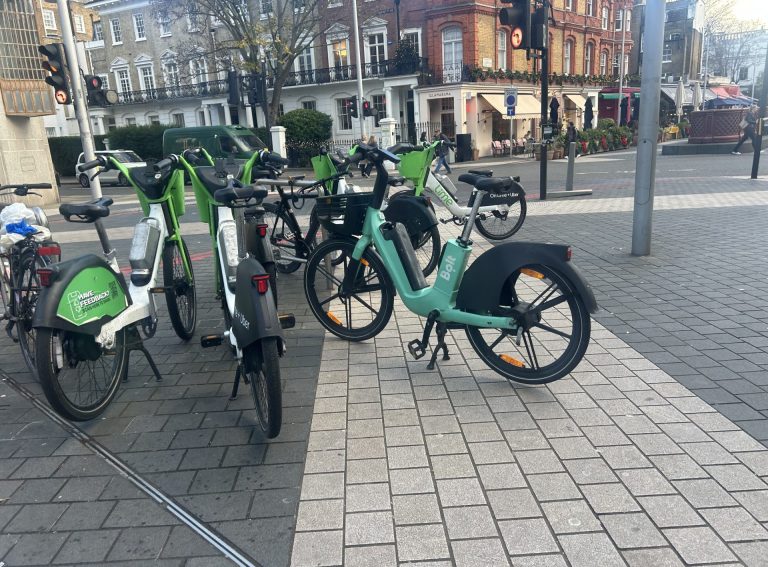
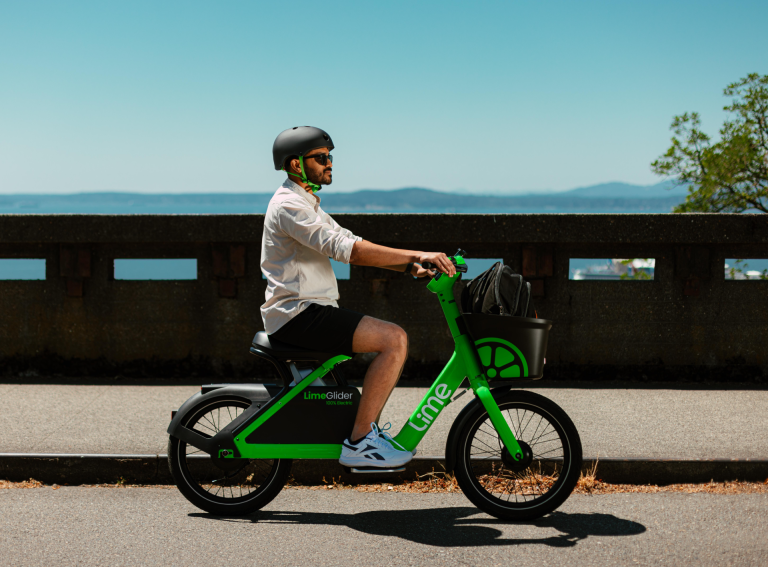
Marchant said that a rise in cycling is amongst the “notable shifts” that TomTom is observing in commuter behaviour. Last year, the city recorded a 13% increase in daily bike trips.
“This growing interest in sustainable travel could help alleviate some congestion over time,” Marchant said. Nevertheless, in 2025, TomTom’s findings reveal that cycling did not stop congestion from rising.
“The picture will continue to be shaped by infrastructure, policy and changing travel habits combined,” said Marchant.
London is not alone in its congestion challenges. Within the UK, London ranked seventh for congestion with cities including Belfast and Edinburgh recording higher levels, each reaching 58%.
The global picture
The slowest-moving city in the world in 2025 was Barranquilla, Colombia.
Barranquilla recorded an average speed of 16.4 km/h, followed closely by London at 16.5 km/h and Bengaluru, India, in third place at 16.6 km/h.
Drivers in Barranquilla spent an average of 162 hours in rush-hour traffic over the year, with a six-mile journey taking 36 minutes and 35 seconds.
Barranquilla, slightly larger than the UK city of Manchester but with three times the population, has an ageing street layout that TomTom states was not designed to meet its current traffic volumes. The city is prone to flooding during heavy rain, effectively removing key traffic corridors and forcing drivers onto a limited number of alternative routes.
For Marchant, there is “no single issue” Barranquilla can address to resolve its congestion problem.
“The problem is structural, driven by the interaction between limited physical capacity, flood-related network fragility, outdated traffic operations and informal road use.”
While the historic layout of the city places “real constraints” on making infrastructure changes, Marchant said traffic management practices could help ease congestion. This includes targeted signal optimisation, improved coordination along key corridors, stricter enforcement at intersections and better management of freight movements.
“These would likely deliver measurable benefits without the need for major new infrastructure,” Marchant said, stating that TomTom’s area analytics and traffic data could support the city.