Estonian insurance technology company Cachet is closing a €4.5m funding round to expand its insurance products and sales team after more than doubling its annual recurring revenue and recording its first full year of positive EBITDA in 2025.
The round is led by Nordic venture capital firm Spintop Ventures, with existing investors Icebreaker.vc and Truffle Capital also participating. It will bring Cachet’s total funding to approximately €11m and marks its first external investment since becoming profitable.
Cachet works with more than 50 platform partners across 16 European markets, with insurance covering 331,000 assets, primarily cars and micromobility vehicles. Its growth has been driven by new partnerships and by expanding the services it provides to existing customers.
“Getting to this point comes down to a combination of our business model, disciplined cost control and automation,” Chief Executive and co-founder Hedi Mardisoo told Zag Daily. “Each partner integration adds to the technology, data and insurance expertise we can build on, allowing us to grow without costs rising at the same pace.”
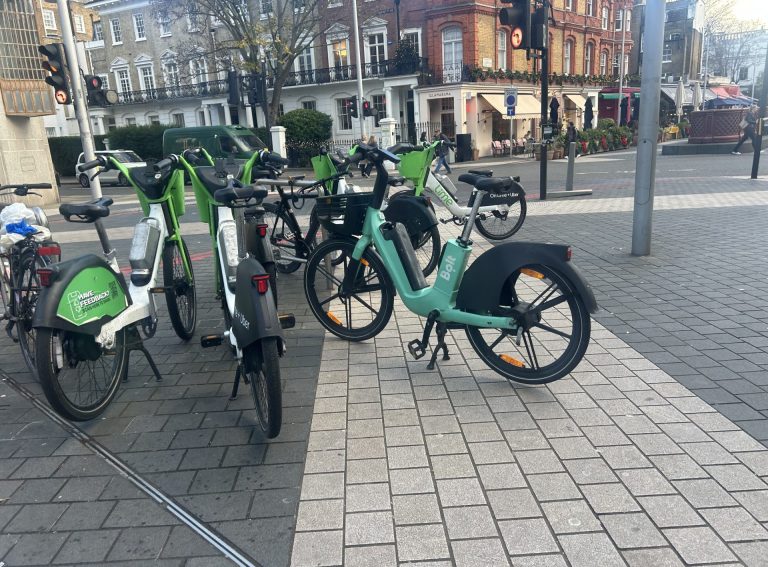
The company provides insurance for digital platforms including ride-hailing, car-sharing and micromobility services. Its partners include ride-hailing and mobility company Bolt, e-scooter operator Voi and car-sharing marketplace Turo. As a licensed broker, Cachet designs policies around how vehicles and workers are used, integrating cover into operators’ systems while established insurers carry the financial risk.
Conventional motor insurance is generally arranged annually, but a shared vehicle may have several users in a single day. Workers may also move between platforms and different types of work, creating demand for cover that reflects how they operate.
Mardisoo said starting in smaller markets has helped Cachet establish a viable business at relatively modest volumes. The company is now applying that approach in larger markets such as France and Germany, where higher volumes through existing integrations can help improve margins.
Cachet also generates growth by helping existing customers expand into new countries or add insurance products. Mardisoo said there is still considerable room to grow within those relationships.
Autonomous mobility presents new insurance challenges
The company is developing its offering for autonomous mobility, where responsibility for an incident can involve the vehicle operator, manufacturer and technology provider.
Cachet has worked for several years with Estonian autonomous shuttle developer Auve Tech, providing insurance support to help bring its first- and last-mile public transport services to market.
Insurers need to understand where an autonomous vehicle operates, when its automated driving system is in control and whether a human intervenes. Depending on the circumstances of an incident, motor, product and cyber liability may all be relevant.
“We see reliable operational data as central to giving insurers the confidence to support these services,” Mardisoo said.
The European market for autonomous mobility insurance remains at an early stage, she added. Cachet is expanding its team to bring in additional expertise as the sector develops.
Beyond mobility, the company is adapting its products for new forms of platform-based work, including employer-of-record arrangements, in which a third-party organisation formally employs workers on behalf of another business.
Mardisoo said platforms wanted to enter new countries without rebuilding their insurance arrangements from scratch each time. Although national requirements still apply, she believes much of the administration and technology can be brought together.
The new funding will support Cachet as it takes its existing model into larger markets and develops insurance for emerging forms of mobility, where the risks and responsibilities are still being established.